

outcomes 2025
Sanctuary Trauma IOP 2025 Program Evaluation
Letter from Clinical Leadership
At Sanctuary, we recognize that trauma — whether from a single overwhelming event or from prolonged interpersonal experiences — can profoundly disrupt the nervous system, erase a sense of safety, and interfere with daily functioning, relationships, and self worth. Our Trauma Intensive Outpatient Program is designed to support adults navigating the impacts of Post-Traumatic Stress Disorder (PTSD), Complex PTSD, dissociative disorders, and related presentations in a way that is evidence-informed, relational, and rooted in real world recovery.
Grounded in trauma informed practice and delivered with compassion and clinical rigor, our approach prioritizes safety, collaboration, and growth. Our dedicated clinicians guide clients through reflection, education and skills practice that help settle and heal the nervous system, expand emotional capacity, and transform unhelpful beliefs about self, others, and the world. We strive to integrate evidence-based modalities such as EMDR resourcing, Dialectical Behavior Therapy (DBT), Somatic Experiencing, and Cognitive Processing Therapy (CPT) to facilitate meaningful change across emotional, cognitive, and somatic domains.
Healing from trauma is often nonlinear, and progress can unfold at varying paces. Through Sanctuary’s structured group treatment and individual therapy options, clients are supported in reconnecting with their values, fostering resilience, and practicing new ways of responding to distress that promote safety and agency. Our aim is not only symptom reduction, but sustainable growth that enriches everyday functioning and relationships.
We are committed to transparency, clinical excellence, and the dignity of every person who enters our care. We invite you to read the outcomes and experience data presented here, which reflect continued progress in promoting safety, skills acquisition, and quality of life. Whether you are a client, family member, clinician, or partner in care, we appreciate your trust and interest in Sanctuary’s mission of healing.
Sarah Chipps, PsyD & Greta Gleissner, LCSW
Program Model
-
Intensive Outpatient Program (IOP)
-
Trauma informed, phase one oriented treatment emphasizing safety, stabilization, nervous system regulation, trauma education, and skills based coping.
-
At Sanctuary, our Trauma Intensive Outpatient Program is designed for adults experiencing post traumatic stress, complex trauma, dissociative symptoms, and related mood and anxiety difficulties. Many clients enter care feeling unsafe in their bodies, overwhelmed by trauma responses, or disconnected from a sense of control in daily life. Our program is structured to support safety, increase understanding of trauma, and build practical skills that allow clients to engage more fully in their lives.
Clients participate in approximately fifteen hours of group therapy per week, complemented by individual therapy and care coordination. Treatment emphasizes stabilization, capacity building and skills building, recognizing that many clients benefit first from learning how to regulate the nervous system, tolerate distress, and establish internal and external safety, before or as an adjunctive treatment to, trauma processing.
Core Program Components
-
Clients meet weekly with an individually assigned therapist to address trauma related symptoms, develop personalized coping strategies, and integrate skills learned in group. Individual sessions focus on pacing, safety, and collaborative goal setting within a trauma informed framework.
-
Group therapy provides structured psychoeducation, skills practice, and relational support. Groups emphasize understanding trauma responses, developing emotion regulation and grounding skills, strengthening self compassion, and building capacity for connection. Group work is facilitated with careful attention to safety, choice, and containment.
-
The program integrates evidence based skills drawn from modalities such as DBT, somatic approaches, and trauma focused cognitive interventions. Clients learn concrete tools to manage hyperarousal, dissociation, emotional flooding, and trauma related avoidance in real world contexts.
-
Sanctuary prioritizes safety as a foundational treatment target. Clients are supported in identifying risk signals, using coping strategies during distress, and accessing support when needed. This focus allows trauma work to occur within a stable and supportive outpatient environment.
-
Sanctuary clinicians work collaboratively across roles, with regular team communication and supervision to ensure coordinated, trauma-informed care. This structure supports consistency, clinical containment, and responsiveness to client needs throughout treatment.
the clients we serve
Clients participating in the Sanctuary Trauma Intensive Outpatient Program often present with complex trauma histories and clinically significant symptoms. Progress is expected to vary, and outcomes are best understood across multiple domains, including symptom change, safety stabilization, skill and capacity development, and engagement over time.
demographics
Clients included in the 2025 program evaluation represented a diverse adult outpatient population across gender identity, race/ethnicity, and age. The demographic composition of the sample reflects the program’s reach among individuals with varied lived experiences and clinical needs.
-
Gender Identity
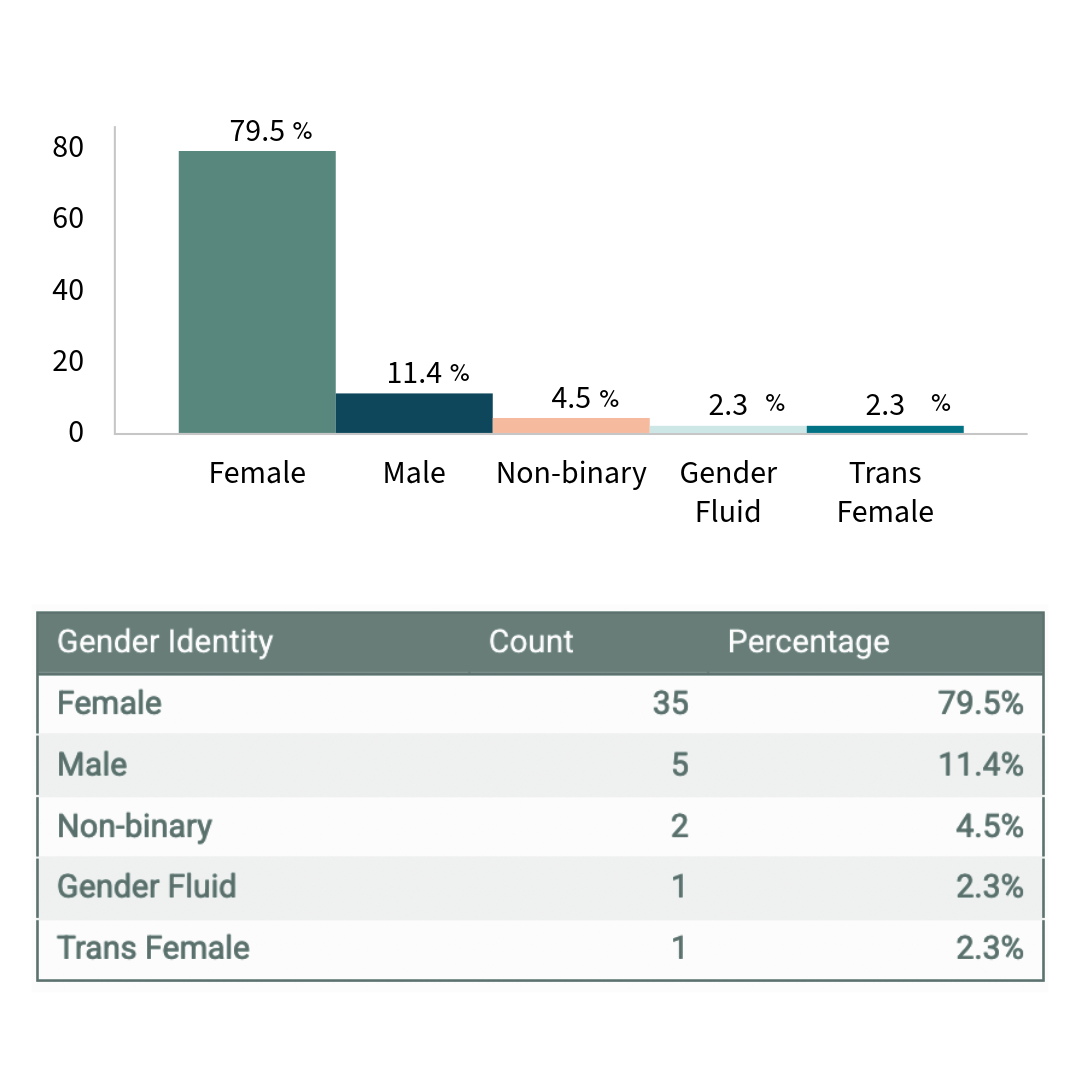
The majority of clients identified as female (79.5%), which is consistent with national trends in utilization of specialty mental health services. Importantly, a meaningful proportion of the sample identified as male (11.4%) or as gender diverse, including non-binary (4.5%), gender-fluid (2.3%), and transgender female (2.3%) identities. The presence of gender-diverse clients underscores Sanctuary’s accessibility and relevance to individuals whose gender identities may be associated with unique stressors and barriers to care.
-
Race and Ethnicity
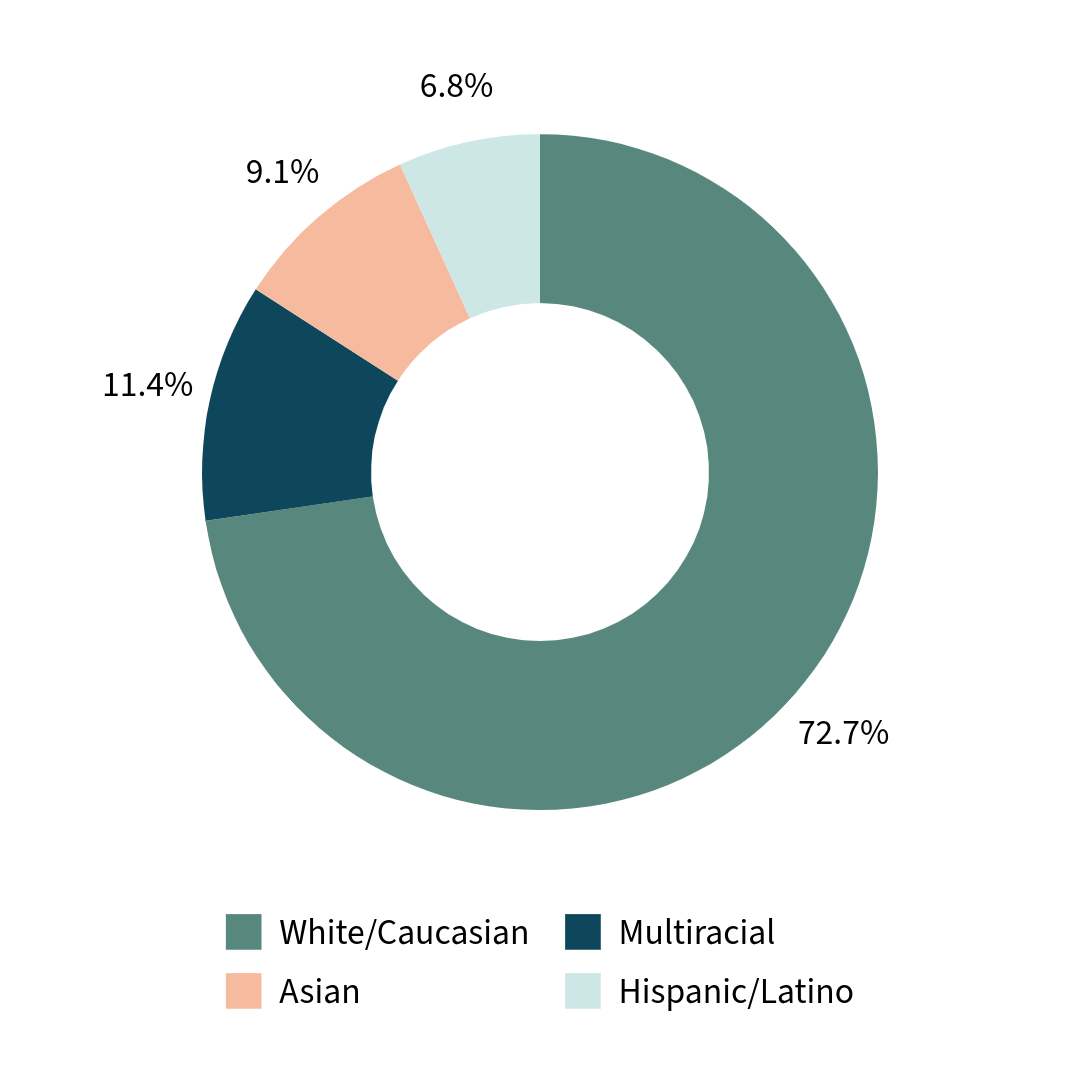
Most clients identified as White/Caucasian (72.7%), with additional representation from multiracial (11.4%), Asian (9.1%), and Hispanic/Latino (6.8%) backgrounds. While the sample reflects demographic patterns commonly observed in specialty outpatient programs, the inclusion of clients from multiple racial and ethnic groups highlights the program’s engagement with a racially and culturally heterogeneous population.
-
Sexual Orientation
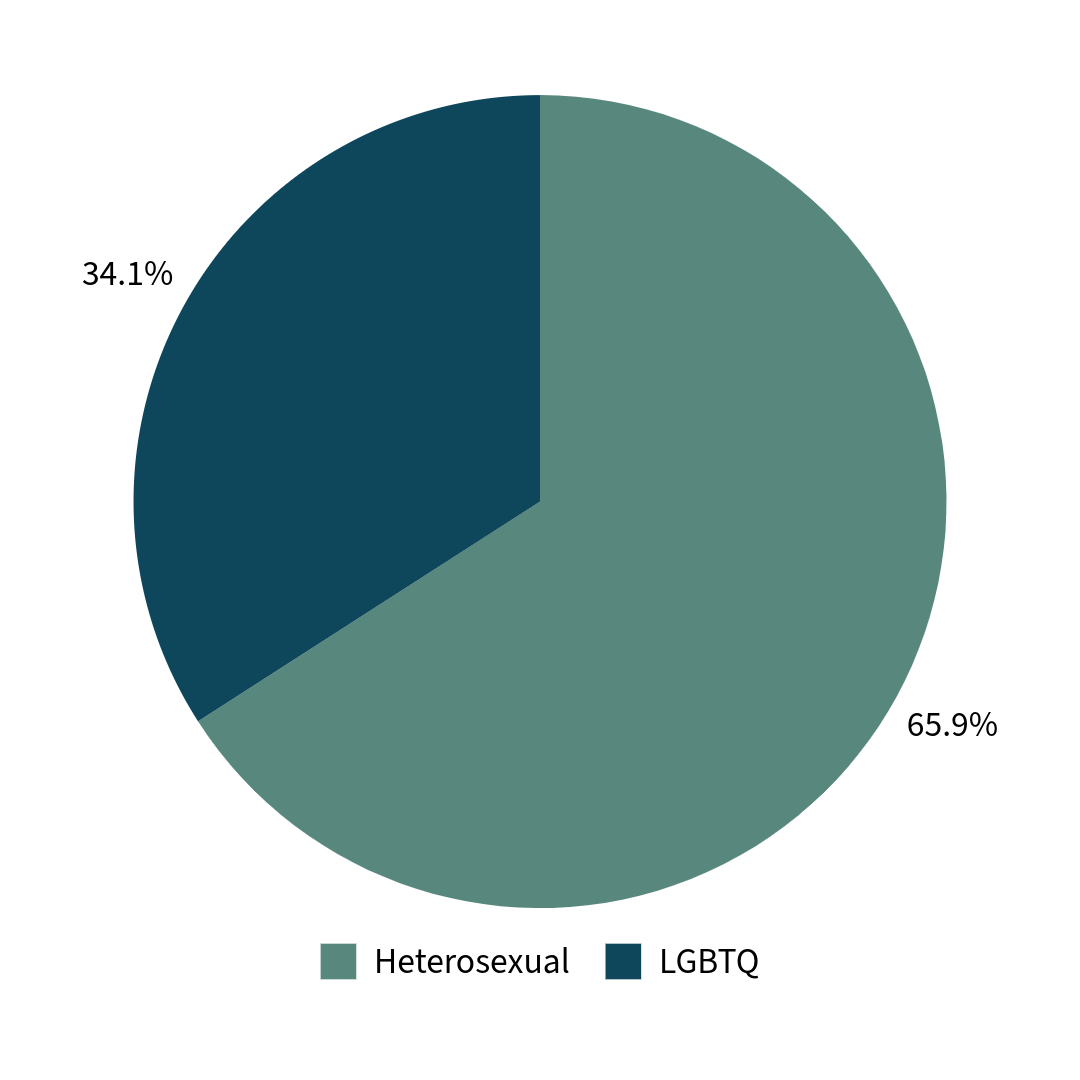
Clients included in the 2025 program evaluation represented a diverse range of sexual orientations, with 34.1% identifying as LGBTQ and 65.9% identifying as heterosexual. This proportion of LGBTQ-identified clients is notably higher than estimates in the general adult population and is consistent with patterns reported by national intensive outpatient and virtual care providers.
-
age
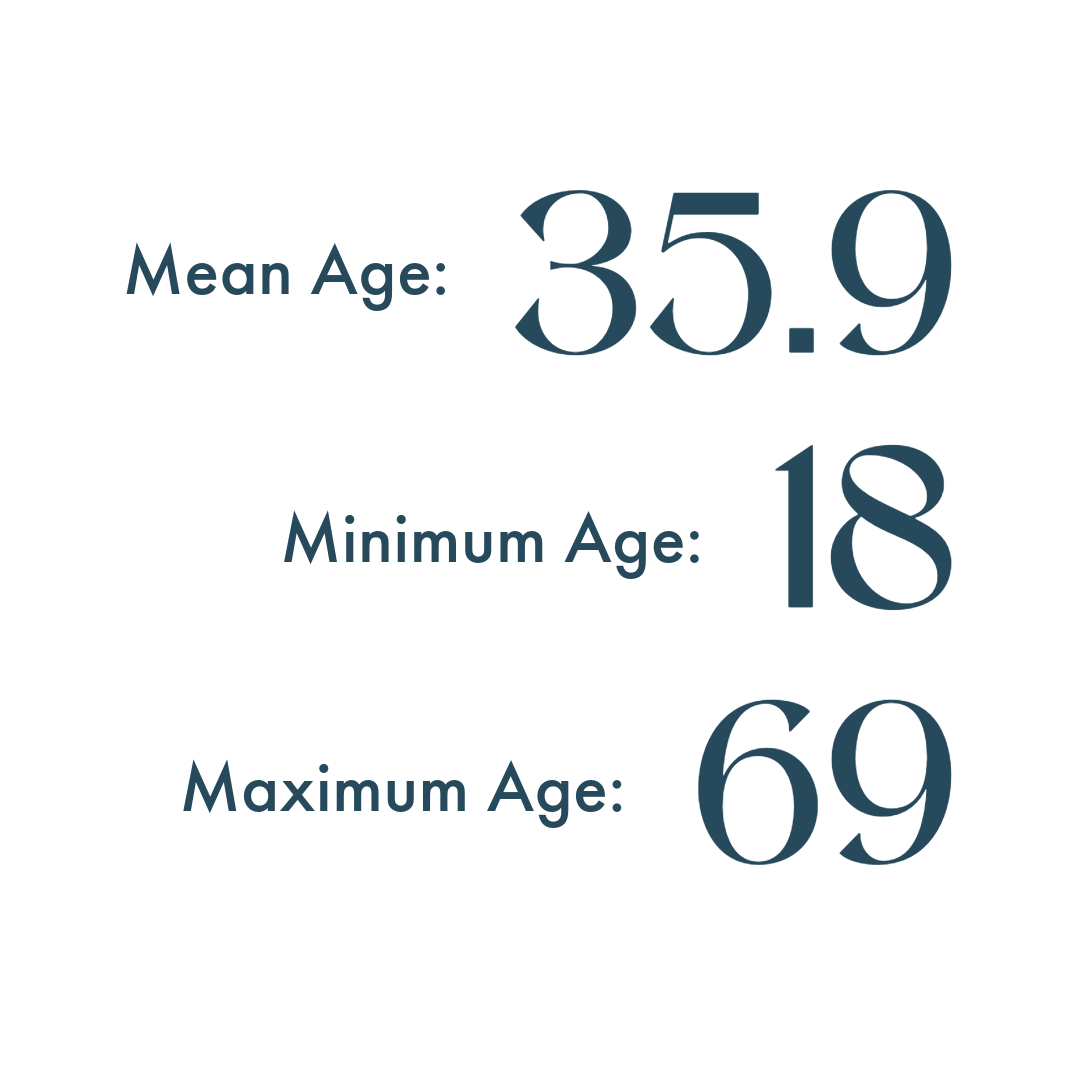
Clients ranged in age from 18 to 69 years, with a mean age of 35.9 years, indicating that the program served adults across a wide developmental spectrum. This age distribution reflects the applicability of the program model to both younger adults navigating early adulthood challenges and older adults managing long-standing or recurrent clinical concerns.
“Being with others who understood trauma made a huge difference.”
“The group environment felt supportive and grounding.”
“I felt respected and heard by everyone.”
“I was treated with dignity and respect.”
- Client reports from Satisfaction Surveys
Outcome Overview
In 2025, clients participating in the Sanctuary Trauma Intensive Outpatient Program demonstrated meaningful improvements in trauma-related and depressive symptoms, alongside high levels of perceived safety, engagement, and satisfaction with care. Outcomes reflect progress across multiple domains that are central to trauma recovery, including symptom reduction, increased understanding of trauma responses, and stabilization within a supportive outpatient setting.
Clients entered treatment with substantial clinical need, including elevated trauma symptoms, depressive distress, and challenges related to safety and emotional regulation. Over the course of treatment, paired outcome analyses showed statistically significant reductions in both depressive symptoms (PHQ-9) and PTSD symptoms (PCL-5), with large effect sizes indicating clinically meaningful change. These improvements were observed within a real world trauma exposed outpatient population with complex clinical presentations.
In addition to symptom improvement, client experience emerged as core strengths of the program. All surveyed clients reported feeling safe during treatment, expressed high overall satisfaction with care, and indicated they would recommend the program to others. Client narratives highlighted the importance of trauma education, staff support, and a therapeutic environment that fostered understanding, connection, and trust.
Together, these findings suggest that Sanctuary’s trauma-informed intensive outpatient model supports both measurable symptom reduction, and improvements in clients’ sense of safety, self-understanding, and capacity to engage in ongoing healing.
“This was one of the most incredible outpatient programs I have ever been in.”
“There is a serious lack of these kinds of quality intervention services, and Sanctuary fills that gap.”
“The education helped solidify my understanding and helped me gain even more from the sessions.”
- Client reports from Satisfaction Surveys
Outcomes Measurement Approach
We use measurement based care as part of routine clinical practice. Measures are completed at intake and at discharge or last observed assessment.
Measures included in this 2025 evaluation
Client Satisfaction Surveys
PHQ-9 (Depression severity)
PCL-5 (Trauma symptom severity)
Together, these capture:
Client experience & engagement
Depression symptoms (PHQ-9)
Trauma symptoms (PCL-5)
Data were exported, deidentified, and analyzed as part of quality improvement.
Key Outcomes
In 2025, Sanctuary Trauma IOP clients demonstrated significant reductions in trauma-related and depressive symptoms, reported high levels of safety and satisfaction with care, and described meaningful gains in understanding and managing trauma responses during treatment.
100% would recommend Sanctuary
100% reported high overall satisfaction with care
100% reported feeling safe during treatment
Clients demonstrated statistically significant improvement in depressive symptoms
Clients demonstrated statistically significant improvement in trauma-related symptoms
Among survey respondents, 100% indicated they would recommend the program to others and endorsed high satisfaction with staff support, trauma education, and the therapeutic environment. Paired outcome analyses demonstrated clinically meaningful reductions in both depressive symptoms (PHQ-9) and PTSD symptoms (PCL-5) over the course of treatment, with large effect sizes for both measures. Together, these findings support the effectiveness of Sanctuary’s trauma-informed intensive outpatient model in promoting symptom reduction, safety, and understanding of trauma responses within a high-acuity population.
Typical Length of Care
Clients in the Sanctuary Trauma Intensive Outpatient Program typically engaged in treatment for one to three months, with an average length of stay of 71 days, aligning with the 8–12 week duration commonly observed in intensive outpatient programs nationwide.
Client Satisfaction Surveys
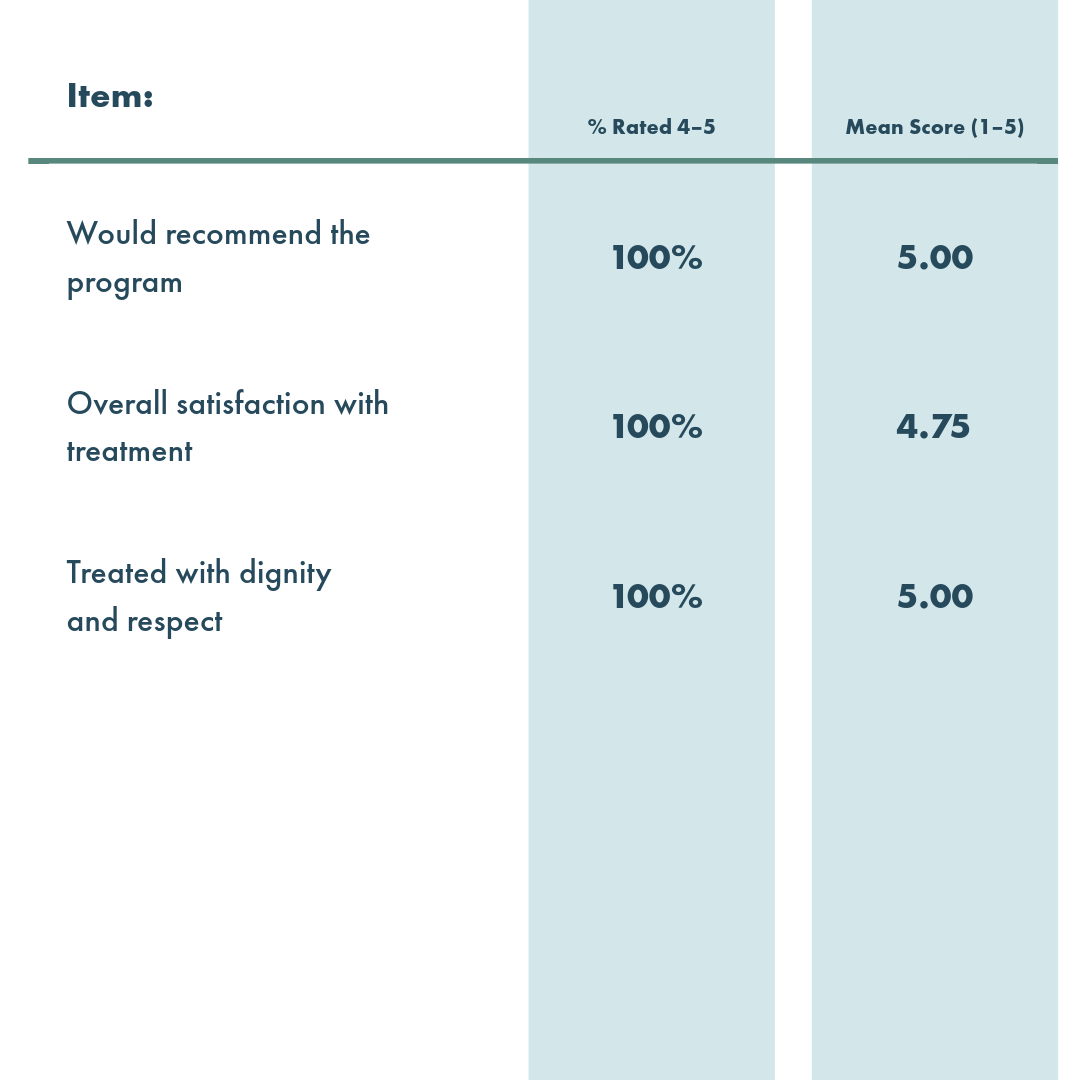
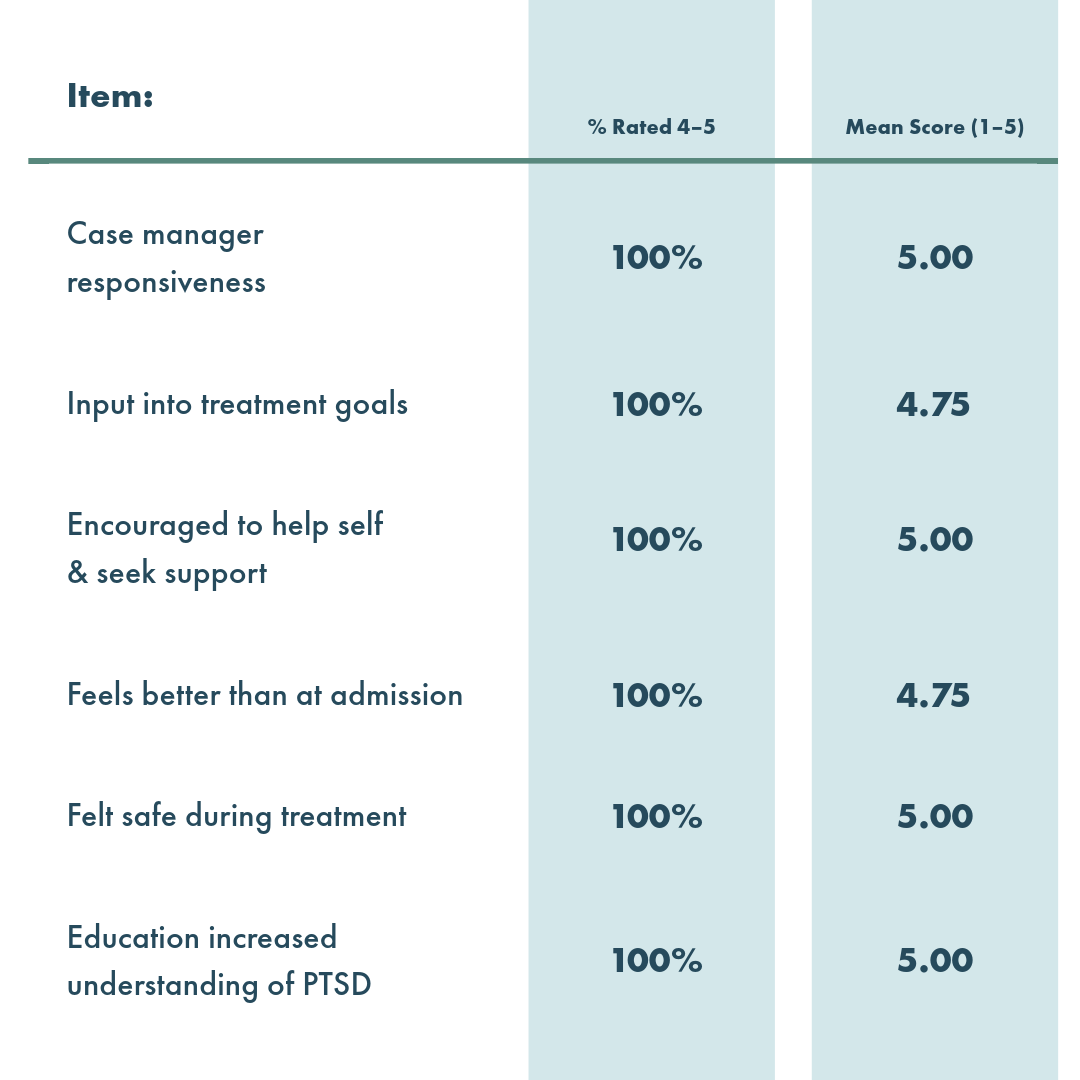
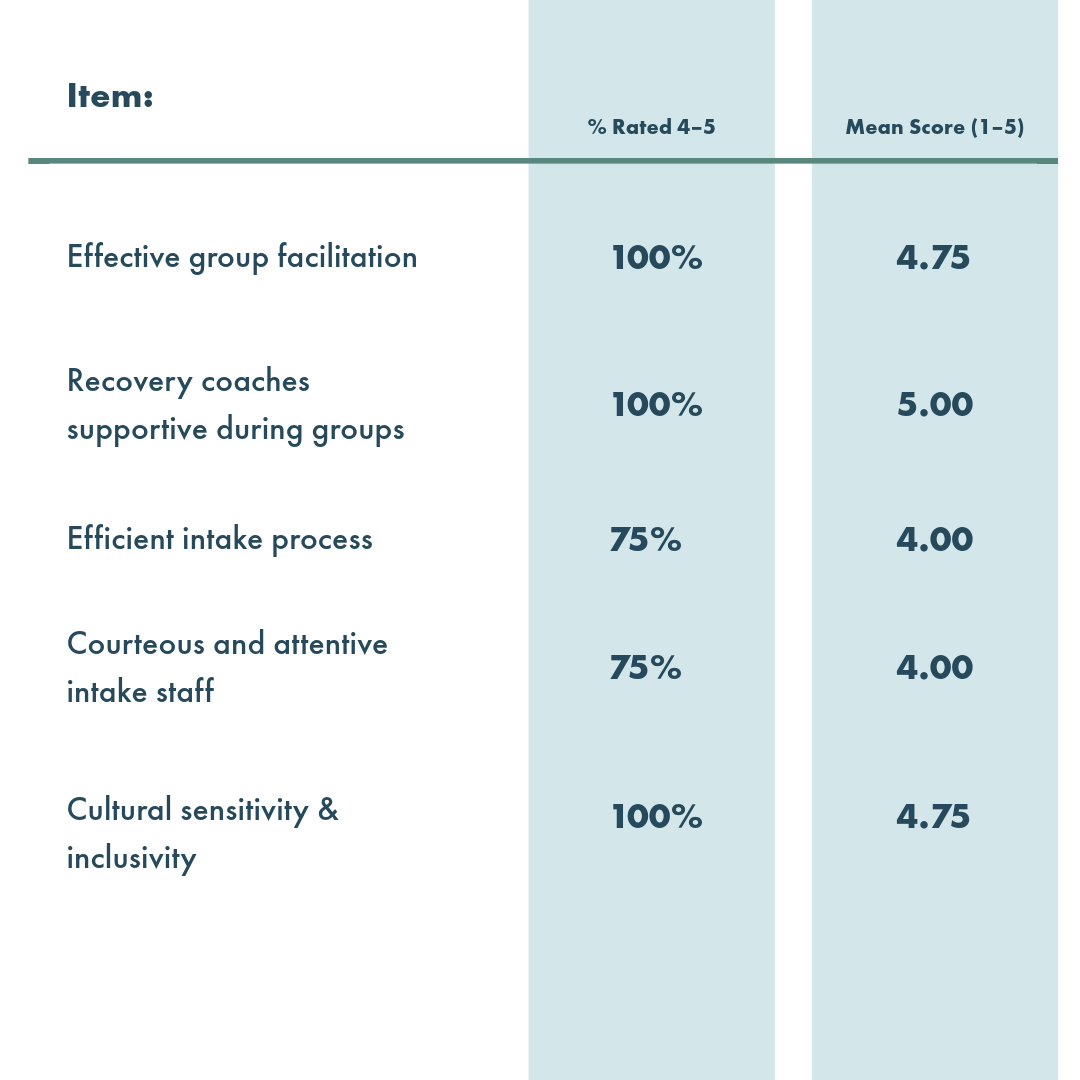
Client satisfaction with the Sanctuary Trauma Intensive Outpatient Program was consistently high. Among 2025 survey respondents, all clients rated overall satisfaction, safety, staff support, and group facilitation positively and indicated they would recommend the program to others. Clients described feeling safe, respected, and supported, and reported meaningful gains in understanding and managing trauma-related symptoms. These findings complement clinical outcomes data and reinforce the program’s trauma-informed, safety-focused approach to intensive outpatient care.
Client experience and satisfaction data were collected in 2025 as part of routine quality improvement efforts for the Sanctuary Trauma Intensive Outpatient Program. Responses reflect aggregated, deidentified client reported feedback using a 5 point Likert scale (1 = Definitely Not, 5 = Absolutely!).
“I would absolutely recommend this program to others.”
“The groups were helpful and validating.”
“The staff were incredibly supportive and compassionate.”
“The therapists and recovery coaches were amazing.”
- Client reports from Satisfaction Surveys
-
Overall Satisfaction & Recommendation
All respondents reported high overall satisfaction and indicated they would recommend the Sanctuary Trauma IOP to others.
-
Clinical Care, Safety & Engagement
Clients consistently endorsed feeling safe, supported, involved in their care, and better equipped to understand and manage trauma-related symptoms by discharge.
-
Program Environment & Group Experience
Clients reported strong satisfaction with the therapeutic environment, group facilitation, and staff support.
Depressive symptoms improved (PHQ-9)
In 2025, paired PHQ-9 analyses (n = 11) showed:
Mean improvement: 4.18 points (intake → discharge)
Statistical significance: p = 0.022
Effect size: Cohen’s d = 0.82 (large effect)
Clients participating in the Sanctuary Trauma Intensive Outpatient Program demonstrated statistically significant improvements in depressive symptoms over the course of treatment. Across clients with available pre and post treatment data, PHQ-9 scores decreased by an average of 4.18 points, reflecting a meaningful reduction in depression severity during the treatment period. This change wasstatistically significant(paired t = 2.71, p = 0.022) and associated with a large effect size (Cohen’s d = 0.82), indicating that symptom improvement was both reliable and clinically meaningful rather than attributable to chance. Improvements were observed across a real-world trauma-exposed outpatient population with variable lengths of stay, underscoring the program’s effectiveness in addressing depressive symptoms within a trauma-focused model of care.
“This program saved my life and I will be forever grateful.”
“I felt supported during a time of emergent need.”
“Sanctuary provided professional and caring support on my healing path.”
- Client reports from Satisfaction Surveys
Trauma symptoms improved (PCL-5)
In 2025, paired PCL-5 analyses (n = 14) showed:
Mean improvement: 12.43 points (intake → discharge)
Statistical significance: p = 0.002
Effect size: Cohen’s d = 1.07 (large effect)
Clients showed substantial and statistically significant reductions in trauma-related symptoms as measured by the PTSD Checklist for DSM-5 (PCL-5). On average, PCL-5 scores decreased by 12.43 points from intake to last observed assessment, representing a marked reduction in PTSD symptom severity over the course of treatment. This change was highly statistically significant (paired t = 3.99, p = 0.002) and associated with a very large effect size (Cohen’s d = 1.07), indicating a strong and clinically meaningful treatment effect. These findings suggest that Sanctuary’s trauma-informed intensive outpatient approach supports meaningful reductions in core PTSD symptoms, including re-experiencing, hyperarousal, avoidance, and negative alterations in mood and cognition.
“This program helped me become more aware and more connected to myself than when I arrived.”
“I came in carrying a lot, and I am leaving with more understanding of myself.”
- Client reports from Satisfaction Surveys
Looking Ahead
We remain committed to transparency, clinical excellence, and continuous quality improvement.
Above all, these findings reaffirm what guides our work every day: trauma-informed care that prioritizes safety, dignity, skill-building, and sustainable healing can make a meaningful difference.
We are deeply grateful to the clients who trusted Sanctuary with their care, and to the clinicians who walk alongside them in the work of recovery.
— Sanctuary Clinical Leadership